6 Reasons Dead Trees Should Be Removed Immediately
Dead trees are more than an eyesore. They can introduce safety risks, attract pests, and weaken the condition of surrounding landscapes. Dead trees gradually lose strength and stability as they decay. This process can affect nearby plants, soil health, and overall property appearance. In many cases, dead trees also become more vulnerable during storms or periods of strong wind. Tree removal plays an important role in reducing these risks and keeping outdoor areas more manageable and safer over time.
This article explains why dead trees should be removed quickly, how they impact nearby areas, and why professional tree removal is important for maintaining safe and stable outdoor environments. It also looks at warning signs of decline and what happens when dead trees are left untreated for too long. Dead trees often continue to change even after they stop living, which makes their condition harder to predict over time. Understanding these risks helps property owners respond before problems grow.
1. Reducing Dangers of Fallen Branches
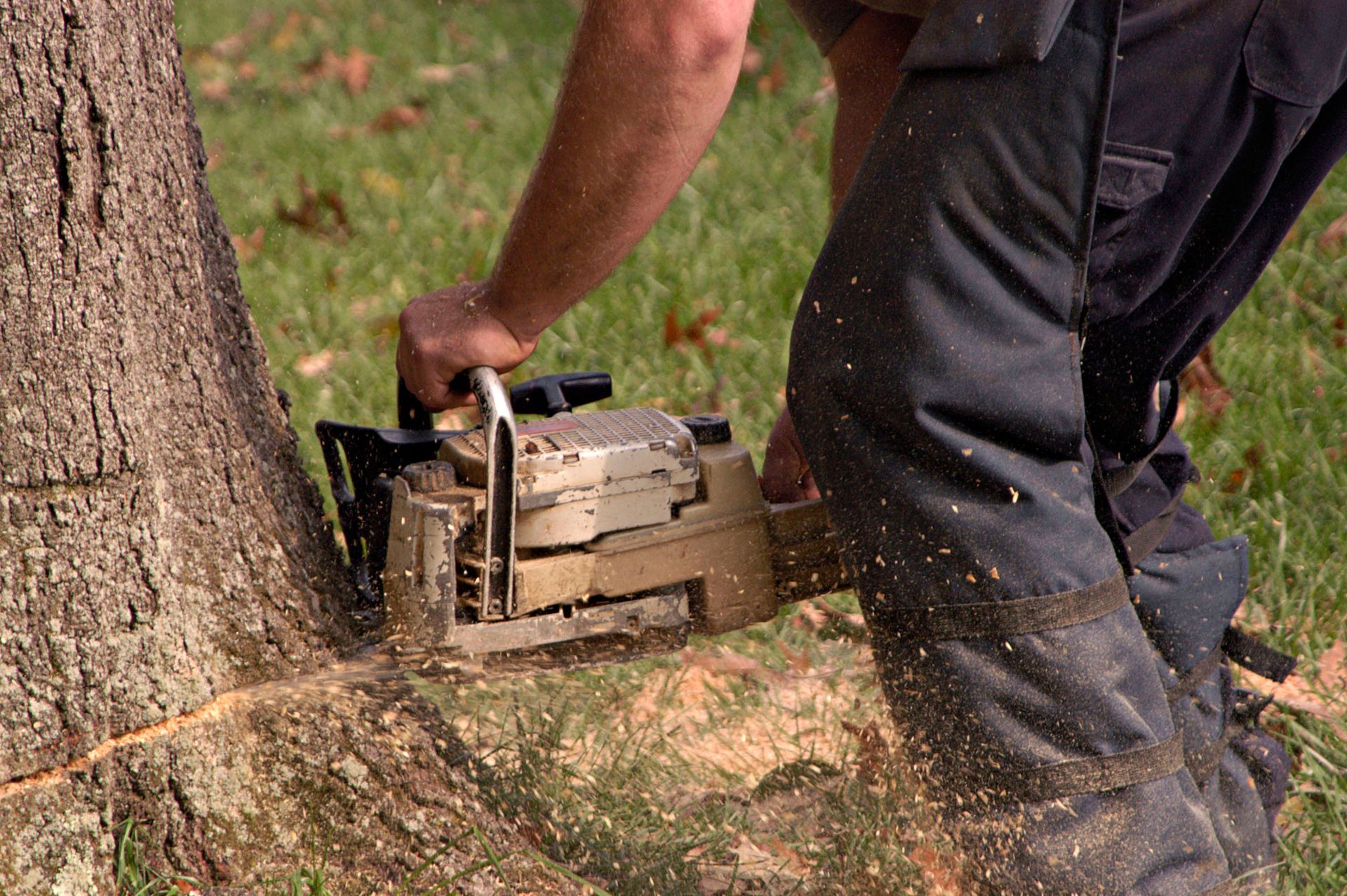
Dead trees introduce several risks that can affect people and property. Branches often become dry and brittle, which makes them more likely to fall without warning. Even light wind can cause breakage when a tree has lost internal strength. Over time, the entire structure may weaken to the point of sudden collapse. Tree removals are commonly needed when these risks become more noticeable. Removing a dead tree early helps reduce exposure to falling debris and limits damage to nearby structures, vehicles, or open spaces. It also helps keep outdoor areas more predictable and easier to manage. Dead trees can also disrupt the balance of a landscape. They stand apart from healthy trees and can signal deeper issues in the soil or environment. Regular attention to tree removals helps reduce these hazards before they escalate. Nearby vegetation may also experience added stress when a dead tree begins to shed material.
2. Preventing Collapse from Structural Weakness
Dead trees often show visible and internal signs of decline. Cracked bark, hollow sections, and missing limbs are common indicators. These changes suggest that the tree can no longer support its own weight effectively. As decay spreads, the risk of failure increases even under normal weather conditions. Tree removals are often considered when structural weakening becomes severe or widespread. Monitoring these signs early helps reduce risks linked to sudden collapse and falling branches. Small changes in trunk texture or branch stability can signal more serious internal damage that is not immediately visible.
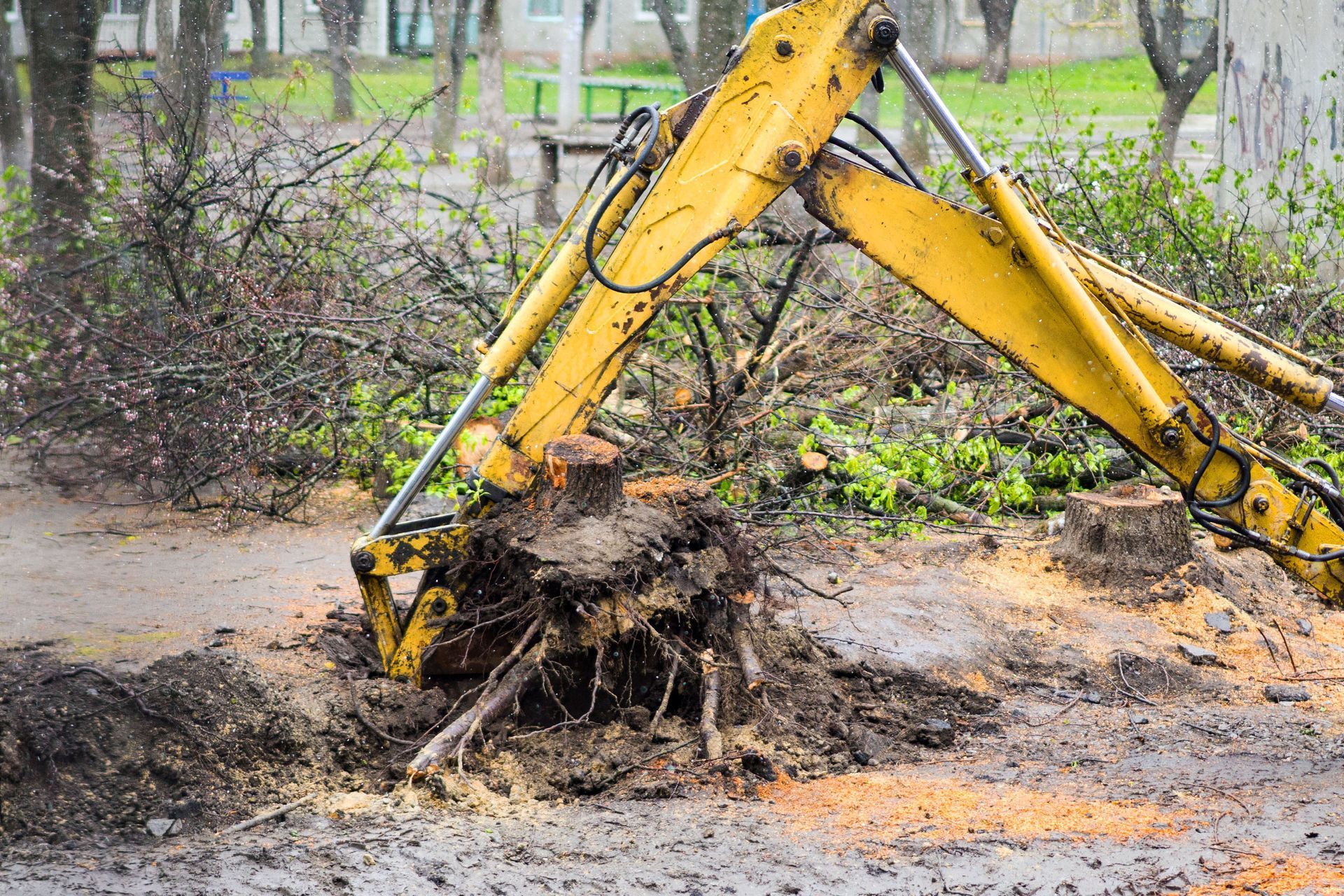
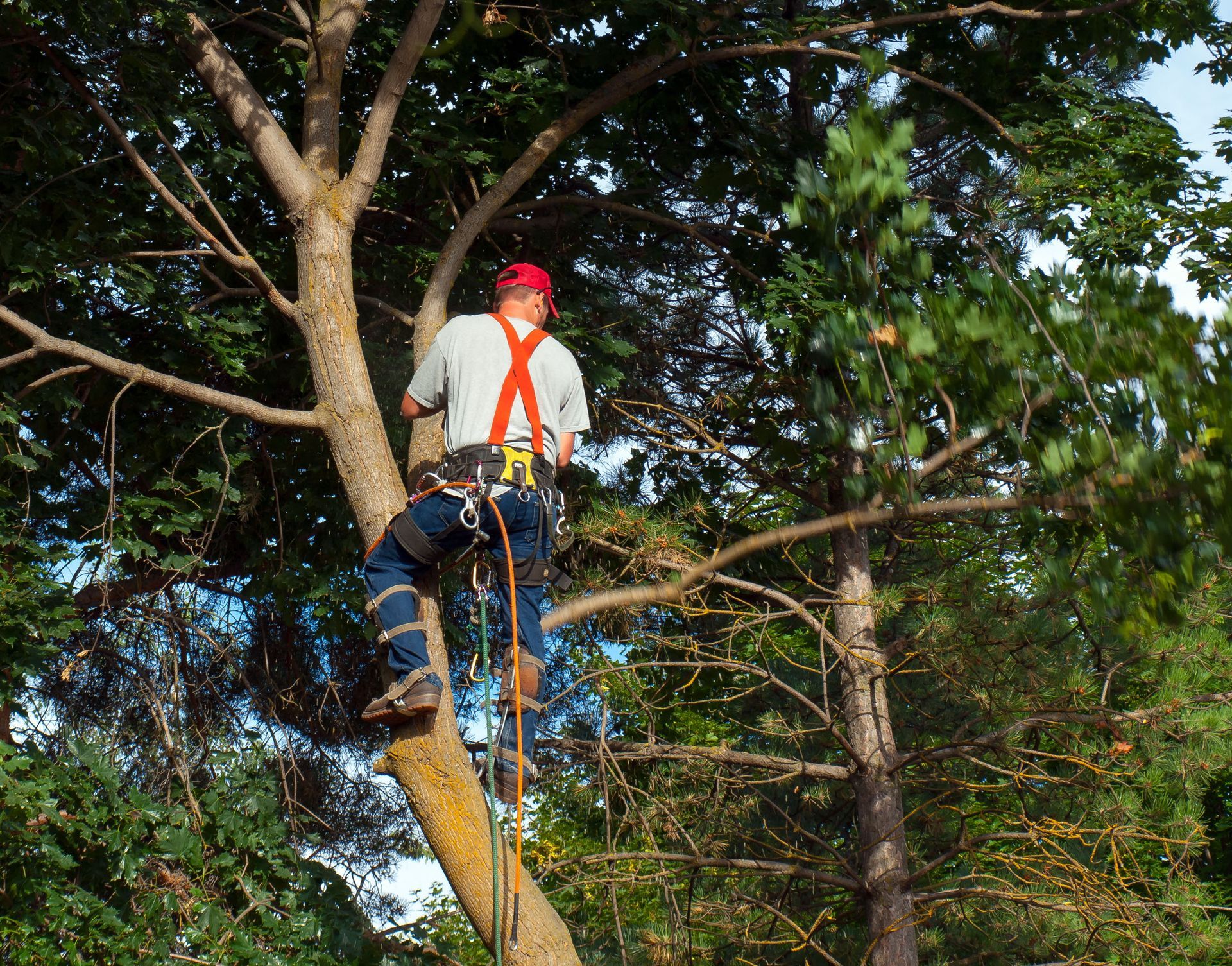
According to Lawn Love, removing a small tree usually takes 1 to 2 hours, while removing a large tree typically takes 3 to 4 hours. This timeframe can vary based on location, size, and condition, but it offers a general idea of how long tree removals may take. Understanding this helps put the process into perspective when planning for safer outdoor spaces. When structural weakness is present, addressing it without delay reduces the chance of further complications. Larger trees with advanced decay often require more careful handling during removal.
3. Limiting Safety Hazards
Dead trees can create direct safety hazards in both residential and commercial environments. Falling branches are one of the most common risks, especially during storms or high winds. Even without extreme weather, weakened limbs can drop unexpectedly and create dangerous situations. Tree removals are often necessary to reduce these risks and maintain safer surroundings. A dead tree close to walkways, driveways, or buildings increases the chance of injury or property damage. Over time, these hazards can become more serious as decay continues. Standing dead trees can also become unstable at the base. Soil erosion and internal decay may weaken root support, making collapse more likely. Removing these trees helps reduce unpredictable hazards and improves overall safety in outdoor spaces. Wind exposure can further accelerate this instability over time.
4. Removing Risk From Properties
Dead trees can create long-term risks for surrounding properties. As decay spreads, the chance of structural failure increases. This can lead to falling limbs or full tree collapse that impacts buildings, fences, and nearby landscaping. Tree removals help reduce these risks by eliminating unstable trees before damage occurs. Removing dead trees also helps maintain clearer boundaries around structures, making outdoor spaces easier to manage and safer to use. In some cases, dead trees may lean or shift over time, creating additional pressure on nearby objects. This movement can worsen during storms or heavy rain. Tree removals address these issues by removing the source of instability and reducing exposure to potential damage. Ongoing movement often indicates advanced internal breakdown.
5. Preventing Pest and Disease Spread
Dead trees often attract insects that feed on decaying wood. These pests can spread to nearby healthy trees and plants, affecting the overall condition of the landscape. Fungal growth may also develop within dead wood and gradually move into surrounding vegetation. Tree removal is commonly used to reduce these risks before they expand further. Removing dead trees helps limit environments where pests can thrive and reduces the chance of disease spreading through the area. When decay is left untreated, it can impact soil quality and nearby plant health. Over time, this creates a wider problem that affects more than just one tree. Tree removals help contain these issues and support healthier outdoor conditions. Moist environments can speed up this spread significantly.
6. Improving Outdoor Conditions
Dead trees can negatively affect the appearance and function of outdoor spaces. They often stand out against living vegetation and reduce the overall visual quality of a property. As decay continues, branches may fall and create clutter around the area. Tree removals help improve these conditions by clearing away unstable and unattractive trees. This allows surrounding plants to grow without competition for light and nutrients. It also helps open up space for healthier development in the landscape. Dead trees can also block sunlight from reaching lower plants when they are positioned closely together. Removing them improves light distribution and supports better growth conditions overall. Tree removals contribute to a more balanced and usable outdoor environment. This often leads to healthier long-term plant development across the property.
Timing plays an important role when dealing with dead trees. Waiting too long can increase risks, especially during seasons with strong winds or heavy rainfall. Early attention helps reduce hazards and makes the process more manageable. Tree removals are often scheduled once clear signs of decline appear, such as brittle branches or visible decay. Acting at the right time helps prevent further damage and supports safer outdoor conditions. Planning ahead also reduces disruption to surrounding areas. Dead trees that are left standing for extended periods can become more unstable and harder to manage. Tree removals completed at the right stage of decline help maintain better control over the situation. Early action often reduces the likelihood of secondary damage.
Dead trees present ongoing risks that affect safety, property condition, and the health of surrounding landscapes. They weaken over time and can become unpredictable, especially during changing weather. Addressing these issues early helps reduce hazards and supports more stable outdoor environments. Tree removals play a key role in managing these risks and keeping spaces clear and functional. For dependable guidance and safe tree removals, contact Coal River Tree Services LLC today for support that helps maintain cleaner and safer outdoor areas.
Share On: