9 Ways Strategic Tree Trimming Enhances Property Value
Well-maintained trees are a defining feature of any attractive property. They shape first impressions, influence safety, and contribute to long-term land usability. While trees naturally grow and evolve, unmanaged growth can reduce both aesthetic and functional value over time. Strategic tree trimming plays a critical role in preserving the balance between natural beauty and structural integrity, ultimately supporting stronger property valuation.
From curb appeal to safety and long-term landscape health, this article explores how thoughtful, professionally managed tree trimming contributes to higher property value.
1. Improving Visual Appeal and Landscape Balance
Curb appeal remains one of the most immediate drivers of perceived property value. Overgrown or uneven tree canopies can create a cluttered, neglected appearance, even if the rest of the property is well-maintained. Strategic tree trimming refines the shape and structure of trees, creating a clean, cohesive look that complements the surrounding landscape.
By removing excess growth and shaping canopies, trimming allows light to reach lawns, shrubs, and architectural features. This enhances contrast, highlights focal points, and creates a more polished presentation overall. Properties with well-maintained trees tend to appear more spacious, organized, and visually appealing, key factors in both buyer perception and appraisal outcomes.
Consistent tree trimming also helps maintain symmetry across the landscape, which is especially important in properties where design continuity matters. Balanced trees frame structures rather than overpower them, reinforcing a sense of intentional landscaping rather than unchecked growth.
2. Enhancing Safety and Reducing Liability Risks
Safety concerns can directly impact property value, particularly when mature trees are involved. Weak branches, overextended limbs, and dense canopies increase the risk of falling debris during storms or high winds. These hazards not only threaten structures but also pose risks to people on the property.
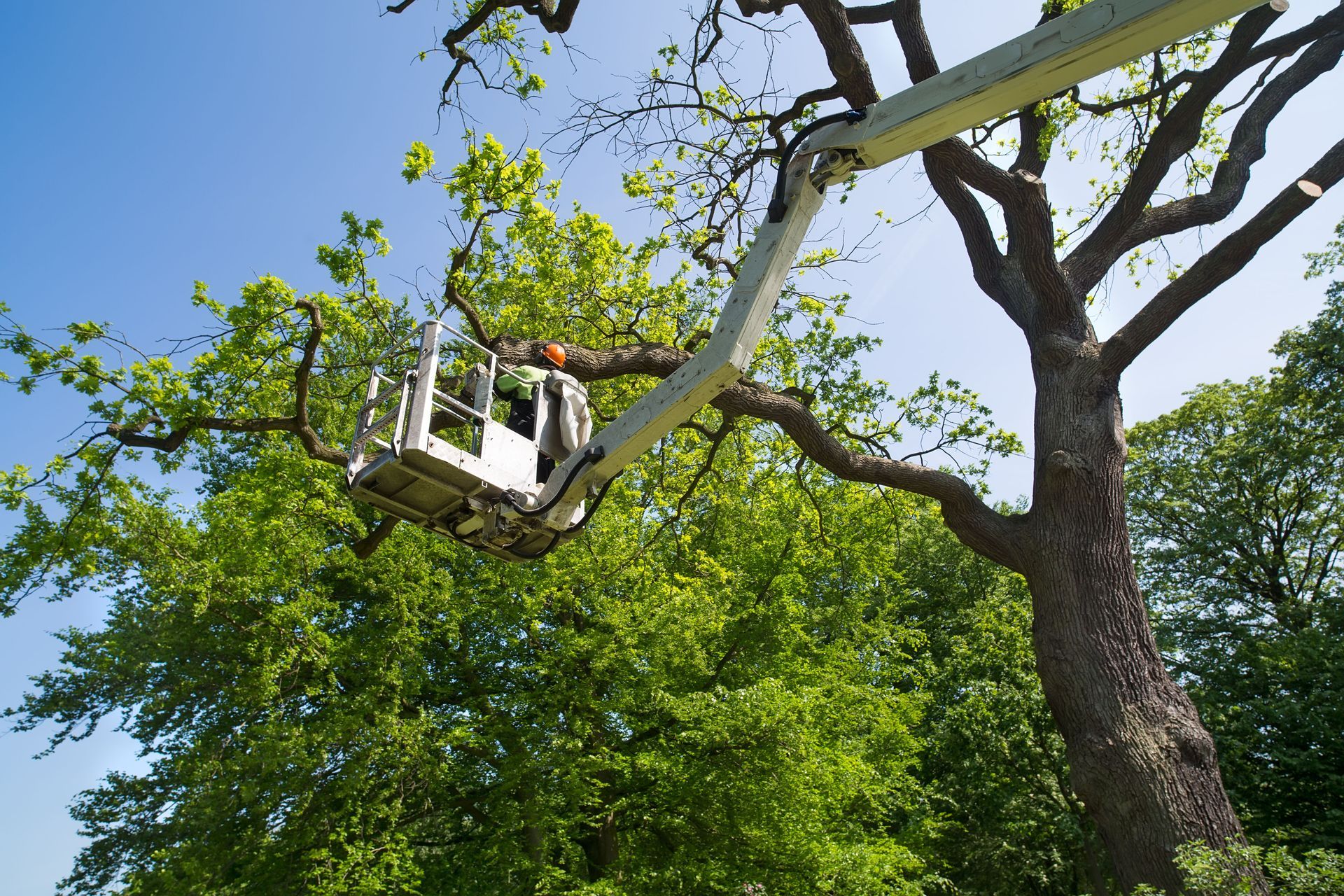
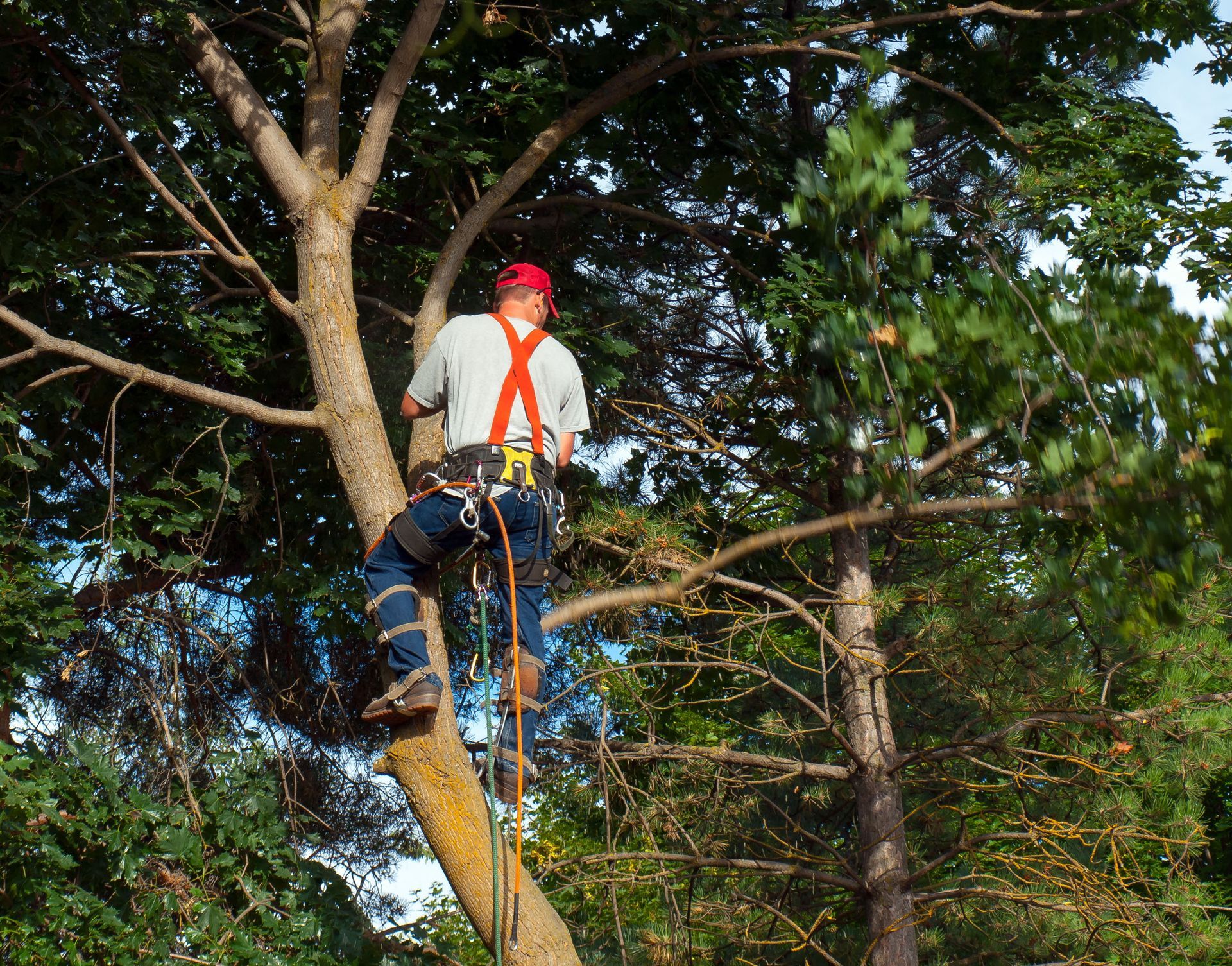
Professional tree trimming reduces these risks by removing compromised branches and redistributing weight throughout the canopy. This improves structural stability and minimizes the likelihood of unexpected failures. Additionally, trimming can prevent branches from encroaching on roofs, power lines, or walkways, areas where damage or injury is more likely.
From a valuation perspective, properties with reduced risk factors are more attractive to buyers and insurers. A well-maintained tree canopy signals proactive management, which can influence how the property is assessed in terms of safety and long-term maintenance needs.
3. Supporting Healthy Growth and Longevity
Tree health is a foundational component of landscape value. Trees that are poorly maintained often develop issues such as disease, pest infestations, or structural weaknesses that can shorten their lifespan. Strategic tree trimming supports healthy growth by removing dead, diseased, or competing branches.
This process improves airflow and sunlight penetration within the canopy, both of which are essential for preventing fungal growth and encouraging strong development. Healthier trees grow more predictably and maintain their structural integrity over time, reducing the likelihood of costly removals or emergency interventions.
According to Lawn Love, trees generally need trimming every 3 to 5 years. Adhering to a consistent trimming schedule helps maintain tree vitality while preventing overgrowth from becoming unmanageable. Properties with healthy, mature trees often benefit from increased desirability, as these features take years to establish and are difficult to replace.
4. Increasing Light Exposure and Energy Efficiency
Tree placement and canopy density can significantly affect how sunlight interacts with a property. Overgrown trees may block natural light from entering windows or reaching outdoor spaces, creating darker interiors and less usable exterior areas.
Strategic tree trimming allows for better light distribution by selectively thinning dense canopies. This can brighten indoor environments, reduce reliance on artificial lighting, and improve overall energy efficiency. In outdoor spaces, increased sunlight enhances lawn health and makes patios, decks, and gardens more inviting.
From a property value standpoint, improved lighting conditions contribute to both functional and aesthetic benefits. Bright, well-lit spaces are consistently associated with higher appeal, making this an important consideration in maintaining and increasing value.
5. Preventing Structural Interference and Damage
As trees grow, their branches and roots can begin to interfere with built structures. Overhanging limbs may scrape against roofs, clog gutters, or drop debris that accelerates wear and tear. In more advanced cases, unchecked growth can contribute to structural damage that requires costly repairs.
Tree trimming helps manage this risk by maintaining appropriate clearance between trees and structures. By controlling growth patterns, professionals can guide trees away from vulnerable areas while preserving their natural form.
This proactive approach not only protects the property but also signals proper maintenance to potential buyers or evaluators. A property free from visible interference or damage caused by trees is more likely to maintain its value and avoid deductions during inspections.
6. Preserving Views and Outdoor Usability
Views and usable outdoor space are valuable assets in many properties. Overgrown trees can obstruct views, limit visibility, and reduce the usability of yards or recreational areas. Strategic tree trimming helps restore these benefits by opening up views and creating more functional outdoor environments.
Whether it's enhancing a scenic outlook or improving visibility across the property, trimming allows trees to complement rather than dominate the landscape. This is particularly important in properties where outdoor living spaces are a key selling point.
Improved usability also contributes to perceived value. Spaces that are open, accessible, and well-maintained are more likely to attract interest and support higher pricing. Tree trimming plays a direct role in maintaining these conditions.
7. Maintaining Consistency Across the Property
Consistency in landscape maintenance is a subtle but powerful factor in property valuation. Properties where trees are unevenly maintained can appear disjointed and less appealing. Strategic tree trimming establishes uniformity across the landscape.
By maintaining similar canopy heights, shapes, and spacing, trimming creates a cohesive visual rhythm. This consistency enhances the overall presentation and reinforces the perception of ongoing care and attention.
Uniform landscapes are easier to evaluate and often receive more favorable assessments because they reflect a systematic approach to maintenance. Tree trimming contributes directly to this consistency, supporting both aesthetic and practical value.
8. Reinforcing Long-Term Property Investment
Trees are long-term assets that require ongoing management to retain their value. Without regular trimming, trees can become liabilities rather than enhancements. Strategic tree trimming protects this investment by maintaining both health and appearance over time.
Properties with mature, well-maintained trees often command a higher value because they offer established landscaping that would take years to replicate. However, this value is only realized when trees are properly managed. Neglected trees can quickly diminish the benefits they once provided.
By incorporating tree trimming into a long-term maintenance strategy, property owners can preserve and even enhance the value of their landscape. This approach aligns with broader property management goals, where consistency and foresight contribute to sustained value growth.
9. Strengthening Buyer Perception and Marketability
First impressions play a critical role in real estate. Buyers often form opinions within moments of seeing a property, and landscaping is one of the most visible elements. Well-trimmed trees signal care, attention, and a level of upkeep that extends beyond the surface.
Tree trimming contributes to a clean, orderly appearance that can influence how buyers perceive the entire property. It reduces visual distractions, highlights key features, and creates an environment that feels maintained and ready for occupancy.
In competitive markets, these factors can make a meaningful difference. Properties that present well are more likely to attract interest, generate stronger offers, and spend less time on the market. Strategic tree trimming supports this outcome by enhancing both visual and functional appeal.
Strategic tree trimming is more than a routine maintenance task. It's a critical component of property value management. From improving curb appeal and safety to supporting tree health and enhancing usability, trimming plays a multifaceted role in maintaining and increasing value.
When approached thoughtfully and performed by qualified professionals, tree trimming aligns natural growth with property goals, creating a landscape that is both attractive and sustainable. For property owners looking to strengthen long-term value, scheduling professional tree trimming with Coal River Tree Services LLC is a practical step toward a healthier, more appealing landscape.
Share On: