Problems Professional Tree Trimming Helps Prevent
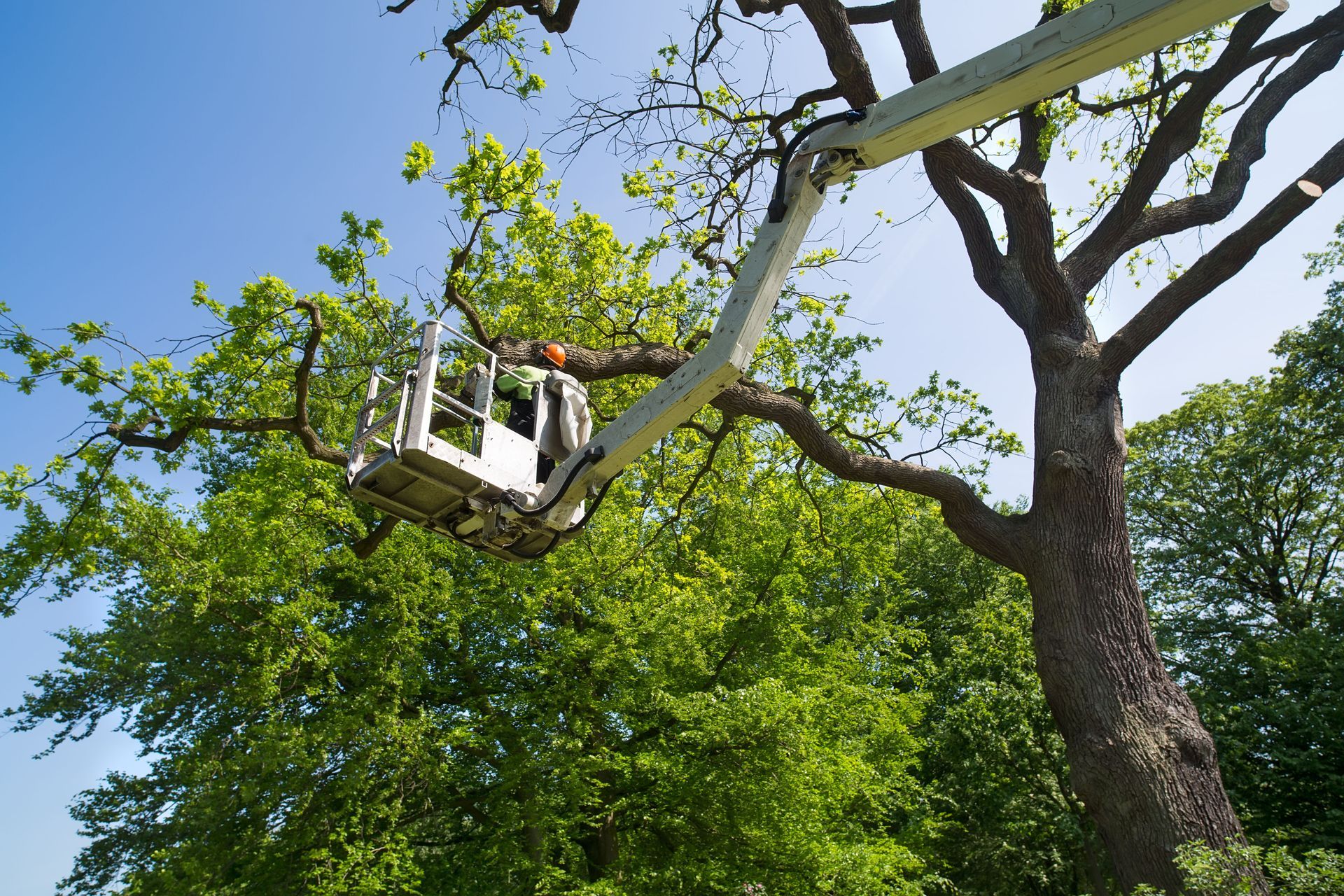
Tree care often gets overlooked until something goes wrong, but consistent maintenance makes a measurable difference in both safety and long-term landscape health. When handled properly, professional services help shape stronger, healthier, and more visually balanced trees while reducing avoidable risks. One of the most effective maintenance practices involves routine tree trimmings, which support everything from structural stability to property protection.
In real-world landscapes, trees are constantly responding to weather shifts, soil conditions, and natural growth patterns. Without guidance, that growth can become uneven or even hazardous over time. This is where professional oversight becomes valuable, especially when tree trimmings are performed with precision rather than guesswork.
The Preventing Structural Weakening and Stability Improving
Structural integrity is one of the most important factors in long-term tree health. When branches grow unevenly or become too heavy on one side, stress builds inside the trunk and major limbs. Over time, that imbalance can lead to splitting or breakage, especially during storms or high winds.
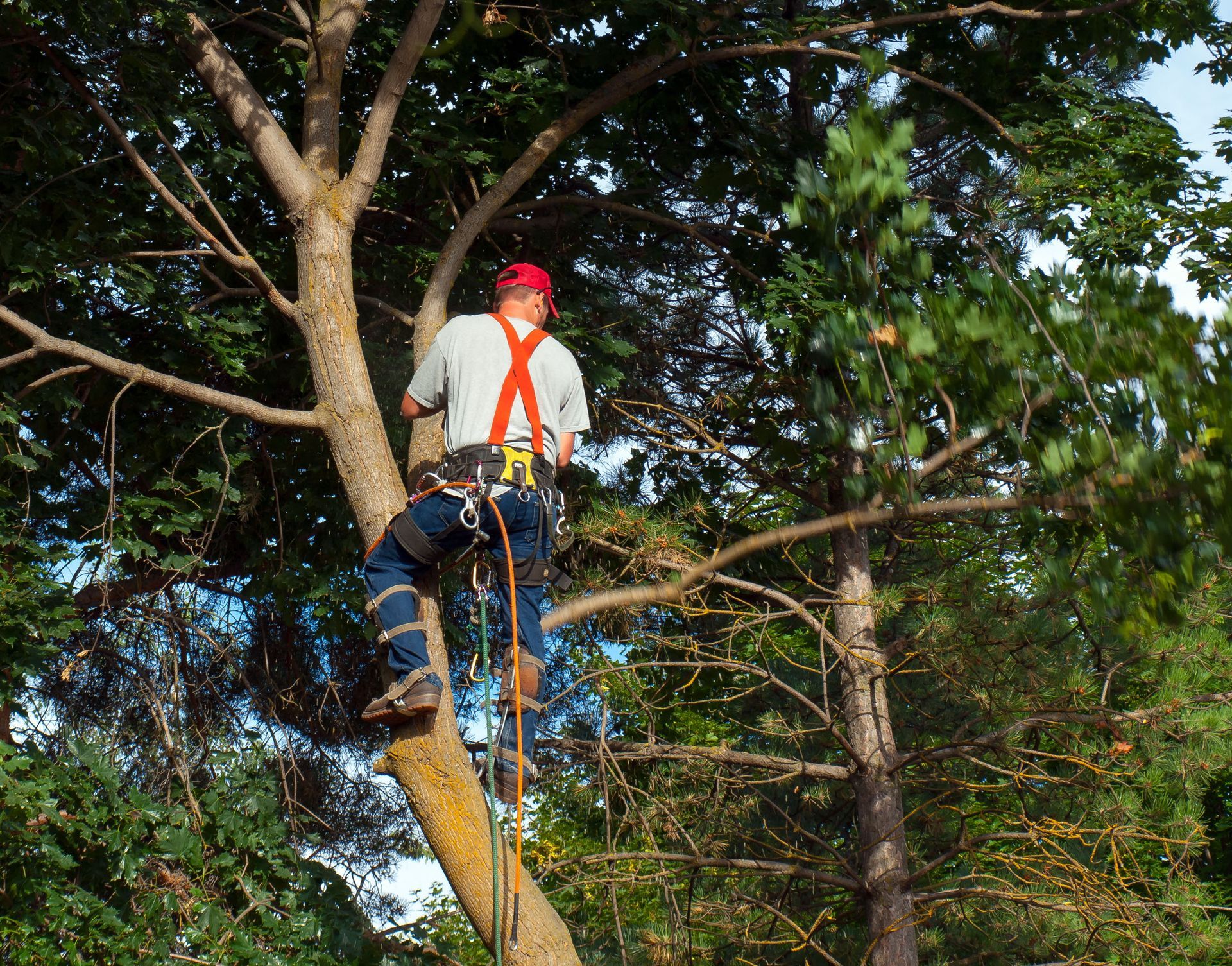
Professional crews use tree trimmings to redistribute weight and remove compromised branches before they become a larger issue. This helps maintain a balanced canopy that can support itself more effectively. In practice, this kind of maintenance reduces sudden failures that often surprise property owners.
There is also a preventative element that comes with early intervention. Weak branch unions and hidden cracks are easier to address before they expand into structural damage. Regular tree trimmings allow arborists to correct these issues while the tree is still in a stable condition. Ultimately, the goal is not just appearance but long-term resilience. A properly shaped tree is less likely to fail under pressure and more likely to grow in a controlled, predictable pattern that supports its environment.
The Limiting Pest Infestations and Disease Spreading
Pests and disease often begin in areas of a tree that receive little airflow or light. Dense canopies and deadwood create ideal conditions for insects and fungal growth. Once these problems take hold, they can spread quickly to surrounding vegetation.
Routine tree trimmings help eliminate these vulnerable zones by removing decaying branches and opening up the canopy. Improved airflow reduces moisture buildup, which is one of the leading contributors to fungal issues. This simple adjustment can significantly reduce long-term damage.
Another benefit is early detection. During scheduled maintenance, professionals often spot infestations or disease symptoms that are not visible from the ground. Addressing these concerns early prevents escalation and limits the need for more aggressive intervention later.
Healthy trees are naturally more resistant to external threats. By maintaining a cleaner structure through tree trimmings, the overall environment becomes less inviting to pests and pathogens, creating a more stable landscape.
The Preventing Property Damage and Infrastructure Interference
Overgrown trees can extend far beyond their intended space, creating risks for roofs, fences, vehicles, and utility lines. During storms, these extended limbs become even more dangerous as wind and weight increase their movement. Property damage often results from situations that could have been avoided with regular maintenance.
Professional tree trimmings focus on managing branch direction and reducing overextension. This ensures that growth stays within safe boundaries and does not interfere with surrounding structures. It also minimizes the chance of sudden limb failure during severe weather.
There is also a broader infrastructure concern. Trees that grow near power lines or shared property boundaries can create outages or safety hazards. Routine maintenance reduces these risks by keeping growth under control. In many cases, consistent tree trimmings are far more cost-effective than repairing damage after the fact. Preventative care protects both private property and community infrastructure, making it a practical long-term investment.
The Enhancing Safety and Reducing Hazards
Safety concerns are one of the most immediate reasons property owners invest in professional tree care. Falling branches, unstable limbs, and obstructed visibility can all create dangerous conditions for residents and visitors. These risks often develop gradually, making them easy to overlook.
Regular tree trimmings reduce these hazards by removing weak or overhanging branches before they become a threat. This is especially important in high-traffic areas such as driveways, walkways, parks, and school zones. A safer environment starts with consistent attention to overhead growth. In a practical sense, trimming also improves visibility. Clear sightlines along roads and paths help reduce accidents and improve overall navigation in outdoor spaces. This makes properties more functional as well as safer.
There is also an important classification consideration in professional arboriculture. According to Lawn Love, trees are generally grouped by height, with those under 30 feet considered smaller and those reaching 60 feet or more classified as tall. This distinction helps determine how aggressive or frequent tree trimmings should be for safety management.
The Promoting Healthy Growth and Longevity Improving
Healthy tree development depends on controlled growth patterns. Without guidance, trees can develop crowded canopies that restrict sunlight and airflow. This slows development and weakens overall structure over time.
Strategic tree trimmings encourage healthier growth by removing unproductive or competing branches. This allows the tree to redirect energy toward stronger limbs and more balanced development. The result is a more stable and vibrant structure over time. Seasonal timing also plays a role in effectiveness. When trimming aligns with natural growth cycles, trees recover faster and respond more positively. This helps maintain long-term vitality without unnecessary stress.
In many landscapes, consistent tree trimmings are directly linked to longer lifespans and improved resilience. Trees that are regularly maintained tend to adapt better to environmental changes and recover more efficiently from seasonal stressors.
The Managing Outdoor Space Aesthetics and Design Improving
A well-maintained landscape is not just functional—it also creates a strong visual impression. Trees are often central design elements, and their shape can significantly influence the overall look of a property. Uncontrolled growth can quickly disrupt balance and symmetry.
Professional tree trimmings help refine structure and maintain visual harmony. By shaping growth intentionally, arborists ensure that trees complement surrounding features rather than overwhelm them. This is especially important in residential and commercial landscaping.
Seasonal changes also affect appearance, and consistent maintenance helps smooth those transitions. Whether trees are full, bare, or flowering, proper shaping keeps the landscape visually appealing year-round. When executed correctly, tree trimmings enhance curb appeal while preserving natural character. This balance between structure and organic growth is what makes professionally maintained landscapes stand out.
The Reducing Liability Risks and Emergency Response Improving
Liability is an often overlooked but critical concern in tree management. Property owners can be held responsible for damage or injury caused by neglected trees. This makes proactive maintenance an essential part of risk reduction.
Routine tree trimmings reduce liability by addressing unstable branches before they fail. This is particularly important in shared spaces, commercial properties, and residential neighborhoods where foot traffic is frequent. Preventative care reduces the likelihood of emergency situations.
Storm response is another key factor. Well-maintained trees are less likely to shed large limbs during high winds or heavy rain. This reduces emergency cleanup costs and minimizes disruption. Consistent tree trimmings also support faster recovery after weather events. Trees that are properly shaped tend to experience less damage overall, making post-storm management easier and more predictable.
Professional tree maintenance plays a central role in preventing structural issues, pest problems, safety hazards, and property damage. It also supports healthier growth patterns and improves the overall appearance and function of outdoor spaces. When applied consistently, tree trimmings become a foundational part of responsible landscape care rather than an occasional task. For property owners looking to maintain safer, healthier, and more visually balanced environments, expert support makes a measurable difference. Contact Coal River Tree Services LLC.
Share On: