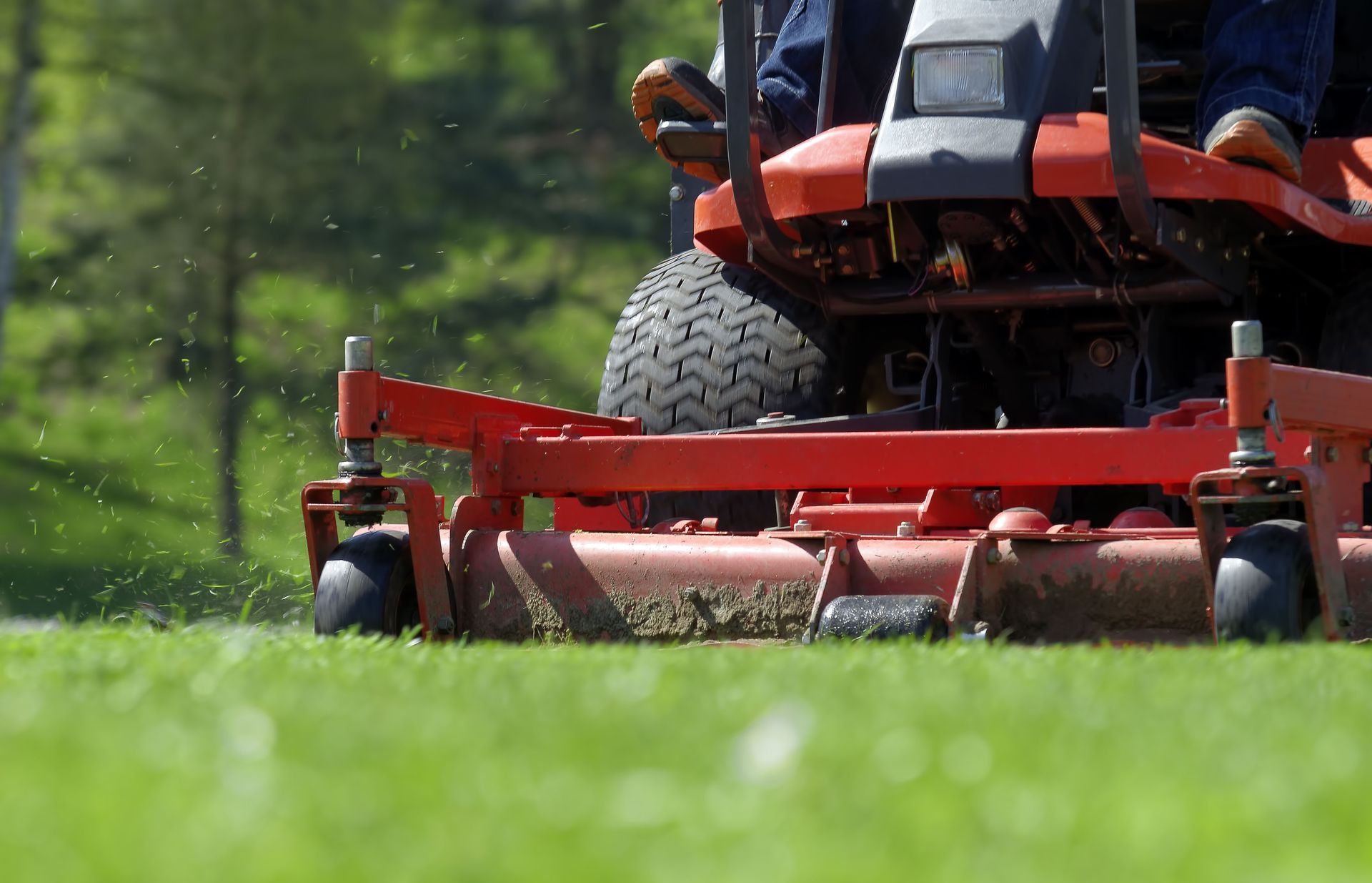
8 Benefits of Brush Hogging
Brush hogging, also known as rotary cutting, is a land-clearing method that involves using a heavy-duty mower to cut through tough vegetation. This practice offers numerous advantages for landowners and plays a crucial role in land management, farming, and property maintenance. As we explore its benefits, attention is given to accessibility, ecological balance, agricultural readiness, and long-term property upkeep. Understanding how this approach fits into broader land management strategies allows owners to make informed decisions that support both productivity and sustainability.
1. Improved Land Accessibility
One of the most immediate advantages of brush hogging is its ability to dramatically improve land accessibility. Dense vegetation, unmanaged brush, and small saplings can quickly render land difficult to navigate or utilize. Clearing these obstructions restores usability and allows landowners to move freely across their property.
This process is particularly valuable for large or rural properties where natural growth can block paths, fence lines, and access points. By cutting through heavy vegetation efficiently, landowners can reclaim underused areas and improve overall land functionality. According to New Life on a Homestead, rotary cutters can clear approximately 4–5 acres per hour, making this an effective solution for expansive parcels.
Creating access roads, walking trails, or maintenance routes becomes far more manageable once overgrowth is removed. These clear routes also support emergency access, routine inspections, and recreational use. Improved accessibility increases safety while enhancing the practicality of the land for both work and leisure.
2. Support for Healthy Vegetation Growth
Strategic vegetation management encourages healthier plant growth by allowing sunlight, water, and nutrients to reach desirable species. When unmanaged growth dominates an area, native plants often struggle to compete for essential resources. Clearing excess vegetation restores balance and creates conditions for sustainable regrowth.
Brush hogging supports this balance by suppressing aggressive or invasive species before they can spread. Cutting back invasive plants reduces their ability to seed and overtake native flora. Over time, this practice helps restore natural plant communities that are better adapted to local soil and climate conditions.
Improved sunlight penetration also benefits soil health. Low-growing plants and grasses thrive once dense coverage is reduced, contributing organic matter back into the soil. As these plants decompose, they enhance nutrient availability and help prevent erosion, creating a more resilient landscape.
3. Preparation for Agricultural Use
Preparing land for farming requires an efficient method to remove debris, tall weeds, and woody growth. Brush hogging serves as an essential first step in converting overgrown areas into workable fields. Once cleared, the land becomes easier to till, plant, and maintain throughout the growing season.
Removing leftover crop residue and unmanaged vegetation reduces obstacles that can interfere with planting equipment. This process also helps limit pests that often thrive in unmanaged debris. By breaking down organic matter evenly across the surface, soil structure and nutrient distribution are improved.
For farmers looking to expand usable acreage, reclaiming overgrown land increases productivity without the need to purchase additional property. This approach allows for crop diversification, rotational planting, and better alignment with seasonal planting schedules.
4. Enhanced Property Value and Usability
Well-maintained land contributes directly to increased property value. Overgrown areas often signal neglect, while cleared and organized landscapes convey care and usability. Brush hogging improves curb appeal by presenting land as functional, manageable, and ready for use.
Properties with clear boundaries, visible features, and accessible terrain are more attractive to buyers and investors. Land that appears ready for development, agriculture, or recreation often commands higher interest and stronger market value. Maintaining open space also allows prospective buyers to envision future use more easily.
Ongoing maintenance ensures that landscaped areas remain assets rather than liabilities. Whether the property includes open fields, wooded sections, or mixed-use terrain, consistent clearing helps preserve intended land features while preventing unwanted encroachment.
5. Wildlife Habitat Support
Balanced land management can support wildlife while maintaining usability. By selectively clearing certain areas and leaving others undisturbed, landowners create a mosaic of habitats that benefit a variety of species. Open areas provide foraging space, while surrounding cover offers shelter.
Brush hogging encourages biodiversity by preventing any single plant species from dominating the landscape. This diversity supports insects, birds, and mammals that rely on varied vegetation for food and nesting. Edge habitats created between cleared and natural areas are especially valuable for wildlife movement.
Grasses and wildflowers that emerge after clearing attract pollinators and small animals, forming the foundation of a healthy food chain. When managed responsibly, this practice aligns conservation goals with functional land use.
6. Cost Efficiency in Land Management
From a financial standpoint, brush hogging offers significant cost advantages. Its ability to cover large areas quickly reduces labor requirements and shortens project timelines. Clearing several acres in a single day minimizes the need for repeated maintenance sessions.
The versatility of the equipment further contributes to savings. A single rotary cutter can handle thick brush, tall grass, and uneven terrain, reducing reliance on multiple machines. Fewer tools mean lower maintenance, storage, and replacement costs over time.
Preventative maintenance also limits future expenses. Regular clearing prevents extreme overgrowth that would otherwise require more intensive and costly remediation. This proactive approach allows landowners to budget more predictably while preserving long-term land health.
7. Long-Term Land Management Benefits
Consistent vegetation control supports sustainable land use by preventing gradual degradation. When growth is managed regularly, soil stability improves, drainage patterns remain intact, and erosion risks are reduced. These long-term benefits contribute to overall land resilience.
8. Seasonal Timing and Maintenance Planning
Timing plays an important role in effective land management, and scheduling clearing work around seasonal conditions can significantly improve results. Conducting vegetation control during periods of active growth allows for more efficient reduction of unwanted plants while minimizing regrowth. Weather conditions, soil moisture levels, and regional climate patterns all influence how successful land maintenance efforts will be over time.
Planning maintenance cycles in advance also helps landowners avoid emergency clearing situations that are often more costly and disruptive. Regular scheduling keeps vegetation at manageable levels, reducing strain on equipment and preventing damage to soil structure. This proactive approach supports smoother operations and more predictable outcomes.
Coordination with other land activities is another advantage of thoughtful timing. Clearing land ahead of fencing installation, drainage work, or soil preparation streamlines subsequent projects and prevents unnecessary rework. When land maintenance aligns with broader property goals, it contributes to long-term efficiency.
By incorporating seasonal planning into overall land strategies, owners gain greater control over their property’s condition. Consistent upkeep not only preserves usability but also supports environmental balance and operational stability year after year.
Brush hogging remains a foundational practice in effective land management due to its versatility, efficiency, and wide-ranging benefits. From improving accessibility and preparing land for agriculture to supporting wildlife and controlling long-term costs, this approach addresses both practical and ecological goals. When applied consistently and responsibly, these services help landowners maintain productive, attractive, and sustainable properties that continue to provide value for years to come. Regular maintenance also reduces safety hazards such as hidden debris, uneven terrain, and pest habitats, further protecting people, livestock, and equipment. By integrating these services into a long-term maintenance plan, property owners can better preserve land integrity while adapting to changing environmental and usage needs. Contact Coal River Tree Service LLC today to get connected with our tree services.
Share On: